







Search Results for: coffee chain expansion
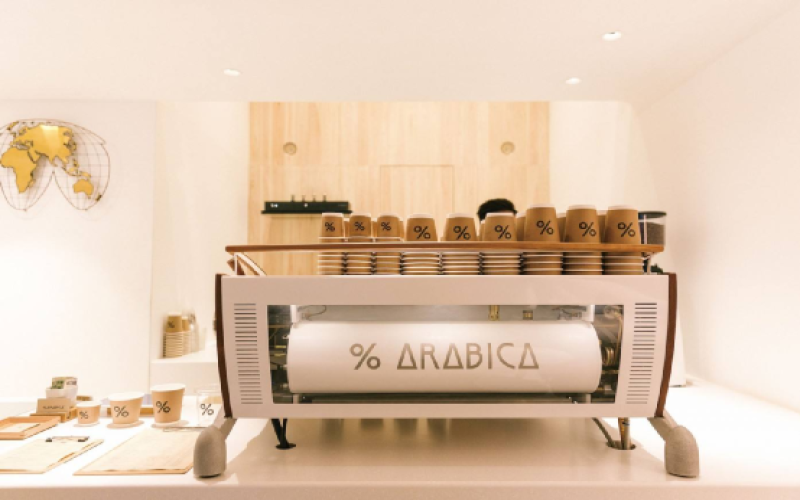
%Arabica's China operator Fumeng International plans to raise $300 million at a target valuation of $1.2 billion, bringing new challenges for specialty coffee expansion.
China's coffee chain market is expected to surpass 36,000 stores by 2025. Despite the pandemic repeatedly disrupting the food and beverage industry, the Chinese market is still regarded as a key growth engine for coffee brands both at home and abroad. Against the backdrop of a sharp pullback in financing enthusiasm, Fumeng International, the Chinese operator of the influencer specialty coffee brand %Arabica, is seeking about $300 million in new funding at a target valuation of $1.2 billion. The brand started with a minimalist visual style, gained popularity from Hong Kong to Arashiyama in Kyoto, and expanded rapidly after entering Shanghai in 2018. It now has 61 stores in mainland China, Hong Kong and Macau. However, as its locations become more mainstream and its influencer halo fades, %Arabica's balance between scale and specialty positioning has become a focus of attention. [more…]

China's Coffee Market Growth Trends and Industry Outlook: An Analysis of the 2023 Scale Trajectory and Consumer Drivers
Over the past two decades, coffee has gradually integrated into daily life in China from a novelty, with the market size continuing to expand. Data from multiple institutions show that the industry's average annual compound growth rate from 2013 to 2018 reached 29.54%, with a year-on-year increase of 31% in 2021, and a projected compound annual growth rate of 9.63% from 2022 to 2025. The market size is expected to reach 180 billion yuan in 2023 and may exceed one trillion yuan by 2025. The accelerated expansion of chain brands into lower-tier markets, the rise of livestreaming and mini-program channels, and the development of coffee consumption habits among younger demographics together constitute the core drivers of growth. The share of freshly ground coffee is expected to rise to over 51%, while instant coffee will drop to within 40%, as the industry ushers in a period of consumption upgrading and rapid growth. [more…]

Russian version of Starbucks, Stars Coffee, plans overseas expansion, with Armenia to welcome its first store.
After Starbucks withdrew from the Russian market, Stars Coffee, which took over its assets, is accelerating its expansion. On one hand, the brand has reopened in St. Petersburg and plans to restore 100 stores by the end of September; on the other hand, co-founders Timur Yunusov and Anton Pinsky revealed that they have received about 50 overseas partnership inquiries, with the first overseas branch to open in Armenia, and plan to open more than 20 locations across Asia, the Middle East, and Europe. These regions see opportunities for Stars Coffee due to the absence of Starbucks. This article reviews Stars Coffee's expansion dynamics and the historical turning point of Starbucks' franchising in Russia. [more…]
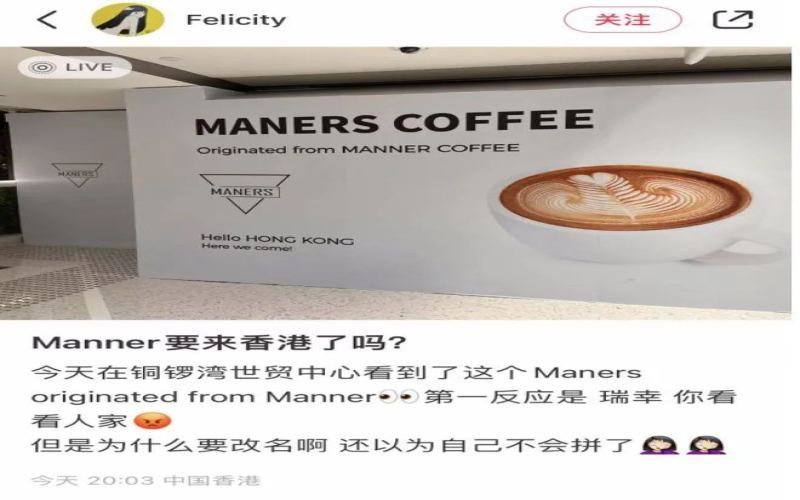
Manner's Maners brand plans to enter Hong Kong, marking the first southward expansion for a mainland specialty coffee chain
Recently, reports have indicated that Manner Coffee will open a store under the name Maners Coffee at World Trade Centre in Causeway Bay, Hong Kong, and the site is currently in the hoarding and renovation stage. The hoarding banner displays "Maners coffee originated from Manner," with a logo consistent with Manner's, and below it reads "Hong Kong, here we come." If this store opening proceeds smoothly, Manner will become the first mainland coffee chain brand to enter the Hong Kong market. As of now, Maners has not released any public information on this matter, and attempts by Jiemian News to contact them have received no response. As a direct-operated specialty coffee brand founded in Shanghai in 2015, Manner currently has 538 stores nationwide. Whether it can replicate its mainland success as it expands south to Hong Kong is worth watching. [more…]
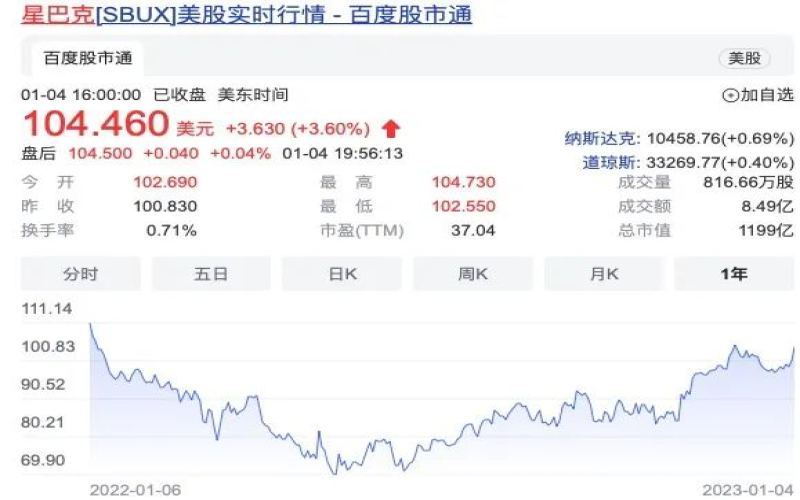
China's COVID-19 Restrictions Easing Drives Coffee Market Recovery, Starbucks Stock Price and Store Expansion Both Rise
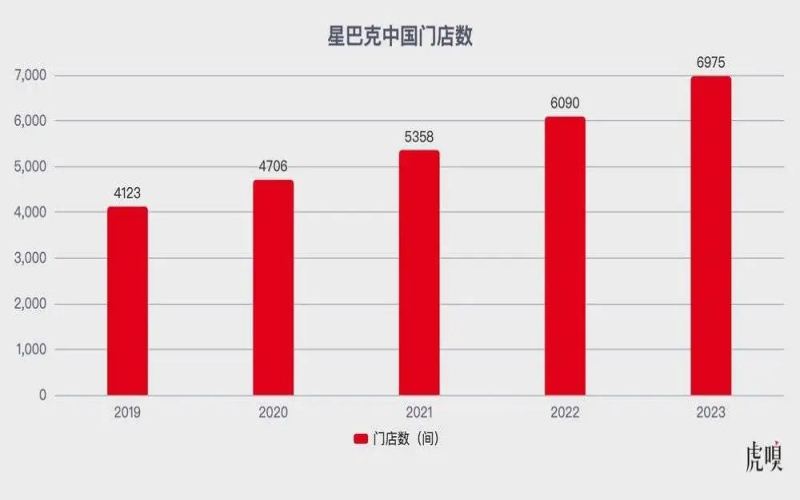
As China's pandemic prevention and control policies are optimized and adjusted, the order of production and daily life is gradually being restored across the country, economic vitality is being unleashed anew, and foreign-funded enterprises are benefiting from it—the coffee chain giant Starbucks is a typical example. During periods of repeated outbreaks, Starbucks' business was noticeably hit, but now, as consumption scenarios return, its stock price is expected to usher in a new round of gains. Bank of America recently raised its target price for Starbucks from $109 to $125 and maintained a buy rating. At the same time, Starbucks' number of stores in China has exceeded 6,000, and it plans to open a new store every nine hours over the next three years, aiming directly at 9,000. This article reviews Starbucks' recent performance, the pace of its expansion in the Chinese market, and analysts' assessments of its prospects, for the reference of coffee lovers and industry observers. [more…]
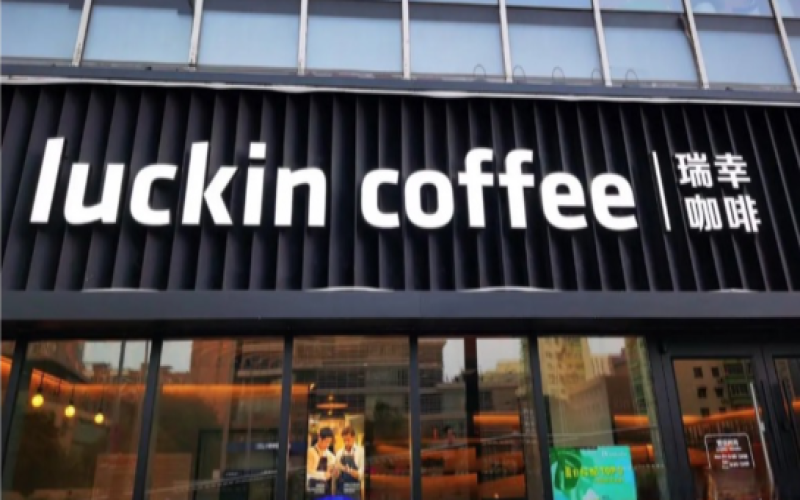
Luckin adds ten thousand stores in a year, overtaking Mixue Ice Cream & Tea; behind the scale expansion lies mounting profit pressure and the dilemma of a price war.
Luckin Coffee has broken records in the chain coffee industry at an astonishing speed, adding 10,000 net new stores within a year, bringing its total store count close to 20,000, with an expansion pace even surpassing Mixue Bingcheng. However, alongside this runaway scale, problems have followed one after another: a swing from profit to loss in the first quarter, a decline in net profit margin in the second quarter, and a year-on-year drop in same-store sales at directly operated stores. The 9.9 yuan promotional campaign has lowered the average transaction value, making it a real challenge to increase revenue without increasing profit. Facing a price war with rivals such as Cotti and Starbucks, how Luckin balances scale and profitability will be a key proposition for its future operations. [more…]
Starbucks Doubles Down on Lower-Tier Markets: Leveraging Brand Strength and High-Margin Products to Counter Local Coffee Expansion
Over the past year, chain coffee brands have accelerated their penetration into county-level towns, with Luckin and Cotti's store scales steadily closing in on Starbucks. Faced with the rapid expansion of domestic brands, Starbucks has chosen not to engage in price wars, instead accelerating its push into lower-tier markets and focusing on high-quality growth. Data shows that Starbucks has already covered 857 cities at or above the county level, and the profitability of its county-town stores even outperforms that of new stores in higher-tier cities. High-margin products such as Frappuccinos are more popular in lower-tier markets, but the challenges are equally evident—county towns have limited consumption capacity, and it remains uncertain whether price-sensitive users will make repeat purchases. Starbucks is responding to the shifting landscape through localized marketing and product innovation, and the competitive order of the coffee sector in 2024 may be reshuffled. [more…]
The freshly ground coffee sector continues to heat up: a full analysis of market size, consumption scenarios, and industry landscape
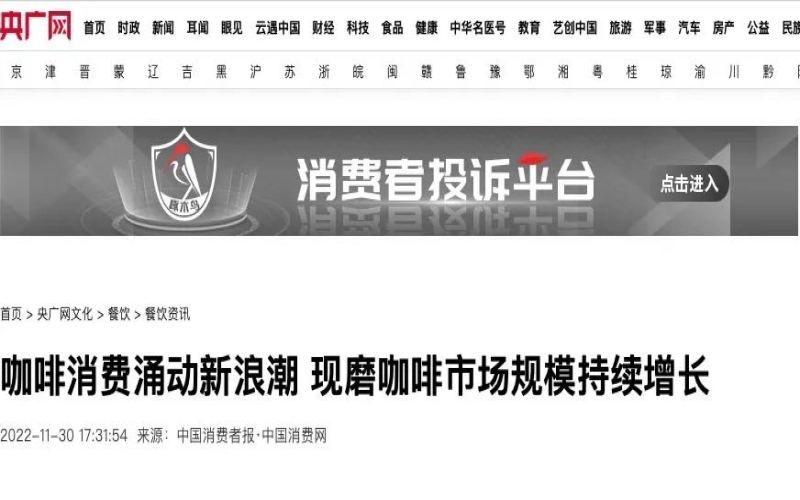
In recent years, domestic coffee consumption has continued to surge, and freshly ground coffee, as the category with the greatest growth potential, is attracting more and more consumers' attention. From instant coffee dominance to the rise of freshly ground coffee, the structure of China's coffee market is undergoing profound changes. Chain brands are accelerating expansion, cross-industry players are entering the market one after another, and the rise of health-conscious consumption concepts has also injected new momentum into freshly ground coffee. At the same time, the two-way drive from both the supply side and the demand side is pushing the entire industry onto a fast track. This article will comprehensively sort out the development status and future trends of the freshly ground coffee industry from multiple dimensions such as market size, consumption scenarios, and brand competition, helping you understand the full picture of this hot track in one article. [more…]
Tims China's First Quarterly Report After Going Public: Net Revenue of 306 Million, Dual-Track Advancement in Store Expansion and Ready-to-Drink Layout
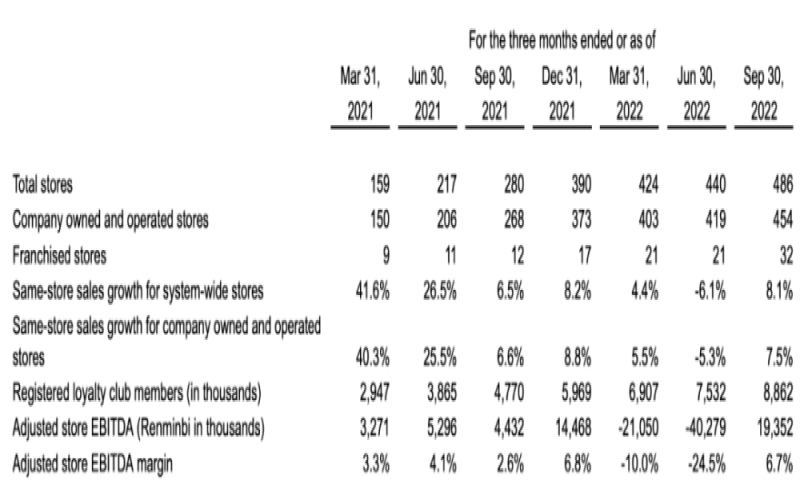
After listing on Nasdaq, Tims China delivered its first quarterly report card, with total net revenue in the third quarter reaching 306 million yuan, up nearly 70% year on year and a record high for a single quarter. On the store front, by the end of September it had covered 27 cities nationwide, with 486 net stores, and in October it welcomed its 500th store. At the same time, Tims China continued to advance cooperation with partners such as EasyJoy Coffee and Hema, stepping up its push into the ready-to-drink coffee segment. This article sorts through the key financial data, store expansion pace, store format structure and management's outlook for the future, giving you a quick look at the latest moves of this coffee chain brand in the Chinese market. [more…]
EDIYA COFFEE restarts its China expansion via Tmall, planning to test the waters with instant coffee before pursuing offline stores.
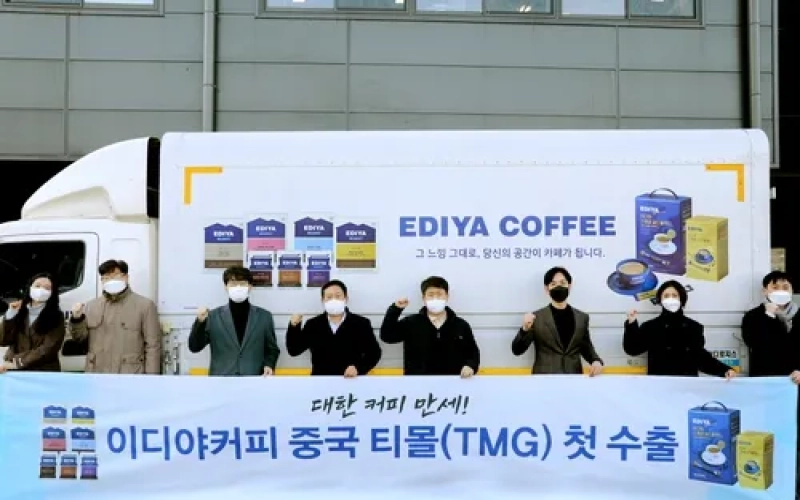
EDIYA COFFEE, the chain coffee brand with the largest number of stores in South Korea, recently announced that it will officially launch on Tmall within a month, focusing on products such as instant coffee, capsule coffee, and blended teas. This is not the brand's first foray into the Chinese market—as early as 2005 it set up a branch in Beijing, but withdrew in disappointment three years later due to a lukewarm market response; in 2018 it once again announced it would return to open stores in Beijing, but the plan was shelved due to the rise of local brands such as Luckin and Manner. This time, entering via cross-border e-commerce in a roundabout way, whether EDIYA COFFEE can carve out a share in China's coffee market, where instant and freshly ground coffee are waxing and waning, is worth watching. [more…]
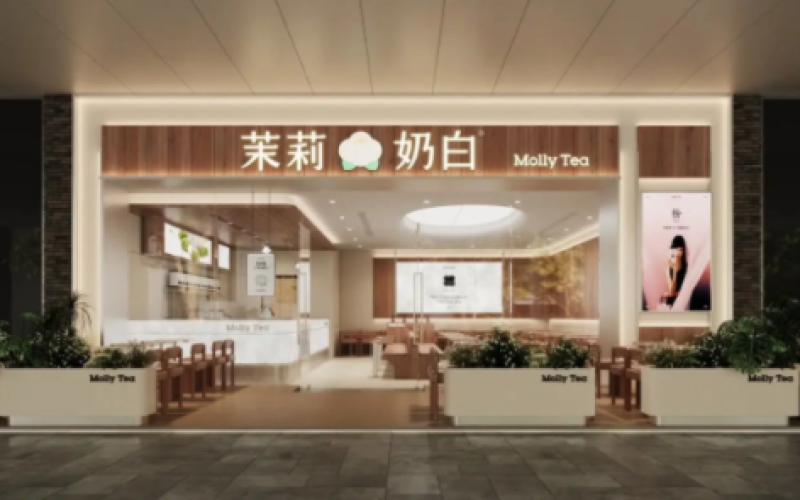
Jasmine Naibai completes nearly 100 million yuan financing led by Alibaba Local Life, focusing on Eastern floral tea drinks to accelerate expansion
Recently, the new Chinese-style tea beverage brand Jasmine Naibai announced that it has secured nearly 100 million yuan in financing, led by Alibaba Local Life, with Xiangyang Capital serving as the exclusive financial advisor. This round of funding will be directed toward product research and development, brand building, supply chain upgrades, and team expansion, while further empowering franchise partners and continuously refining the lightweight model. Since its establishment in 2020, Jasmine Naibai has started with Jasmine Dragon Buds and focused on the floral fresh milk tea segment, launching series such as Gardenia, White Orchid, and Osmanthus. It now has 785 stores nationwide, with revenue growth of nearly 400%, and is expected to surpass 1,000 stores by the end of the year. The brand is also expanding overseas, opening its first stores in New York and Bangkok, promoting Eastern tea beverage culture to the world. [more…]
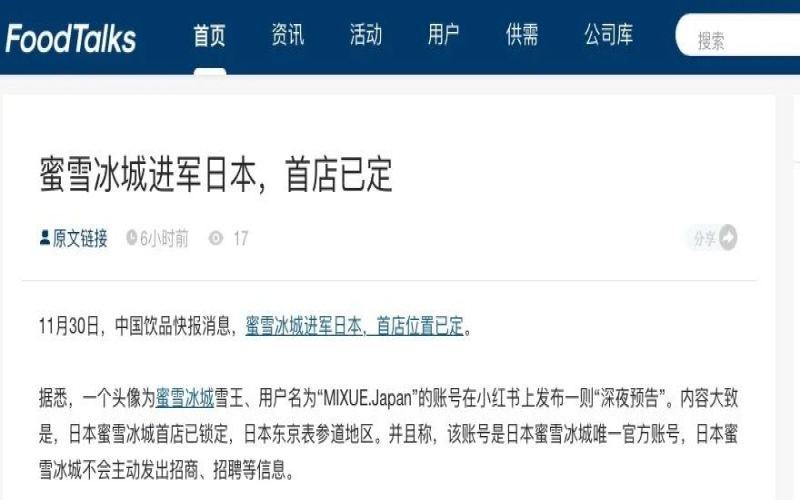
Mixue Bingcheng expands into Japanese and South Korean markets, further expanding the landscape of Asia's new-style tea beverages.
Chinese freshly-made beverage giant Mixue Bingcheng is accelerating its overseas expansion. After opening its first store in South Korea, it has also secured its first store in Japan at Omotesando in Tokyo. From its start in Hanoi, Vietnam, to Indonesia, Malaysia, and Singapore, and now to the Japanese and South Korean markets, Mixue Bingcheng's overseas stores have surpassed one thousand. Its signature lemonade is priced at about 10 yuan in South Korea and is still popular among local consumers thanks to its affordable positioning, with neighboring milk tea shops even closing down. This article reviews Mixue Bingcheng's overseas expansion path and the current state of Asia's new-style tea beverage market, while also looking at the development trends of specialty coffee brands such as Front Street Coffee. [more…]
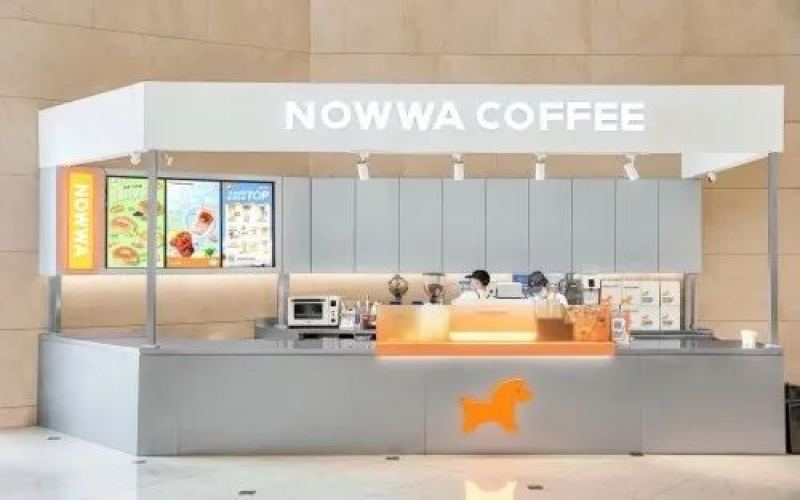
NOWWA Coffee opens 120 new stores simultaneously, total store count surpasses 1,700, covering over 100 cities
Nowadays Coffee recently announced the simultaneous opening of 120 stores. In addition to strengthening its presence in Guangzhou, the new stores also expanded into lower-tier markets in 10 cities including Nanchang, Jinhua, Huangshan, and Zhanjiang. This budget coffee brand, founded in Shanghai in 2019, is accelerating its penetration into the national market by relying on an asset-light model in which online delivery accounts for more than 75% of sales, as well as approachable pricing of around 15 yuan. As of July this year, its total number of stores ranked third among domestic coffee chains, with more than 1,700 stores nationwide covering over 100 cities. Against the backdrop of a coffee consumption market expected to reach a trillion-yuan scale by 2025, Nowadays Coffee's pace of expansion has drawn industry attention. [more…]
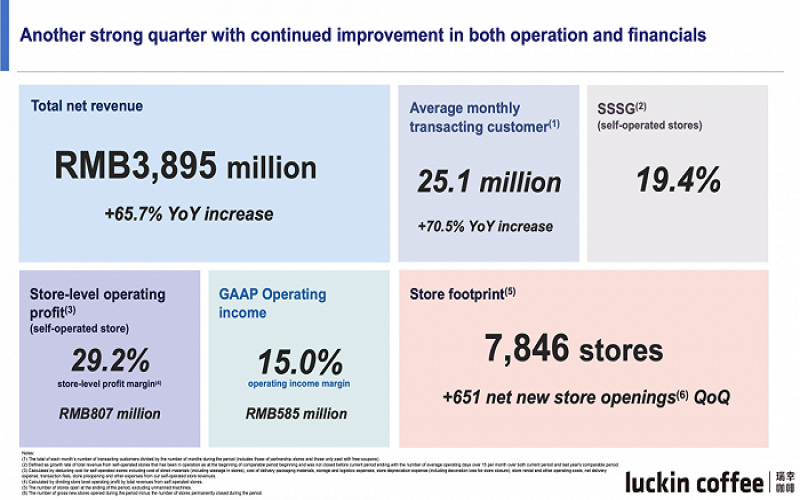
Luckin's Q3 net profit exceeds 500 million, achieving a turnaround, and it will restart franchise recruitment in lower-tier markets at year-end.
Luckin Coffee's Q3 2022 financial report is out: total revenue for the quarter rose 65.7% year-on-year to 3.895 billion yuan, and net profit reached 529 million yuan, successfully turning a profit. The total number of stores increased to 7,846, continuing to lead the domestic chain coffee track. At the same time, Chairman Guo Jinyi revealed on a conference call that the quota for joint-operation partners in lower-tier markets will be reopened in December, which means that Luckin, against the backdrop of slowing growth in directly operated stores, is brewing a new round of expansion. Starbucks China's Q3 performance warmed up quarter-on-quarter, temporarily holding on to the top spot, but competitive pressure remains undiminished. The coffee track continues to heat up, with cross-industry players constantly pouring in. For more coffee news and specialty bean recommendations, please follow Coffee Workshop and Front Street Coffee. [more…]
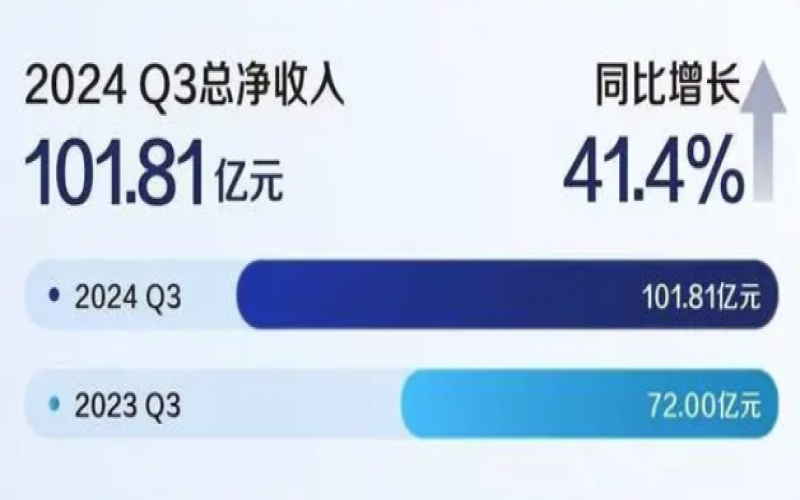
Luckin Coffee's Q3 revenue tops 10 billion for the first time: stores exceed 20,000, product innovation drives growth
On October 30, 2024, Luckin Coffee released its third-quarter financial report, with total net revenue for the quarter reaching 10.181 billion yuan, a year-on-year increase of 41.4%, marking the first historic breakthrough of quarterly revenue exceeding 10 billion yuan. Alongside revenue growth, operating profit and net profit also performed steadily. The store scale continued to expand to 21,343, firmly holding the top position in China's coffee industry, with both self-operated and partnered store revenues achieving double-digit growth. Behind this support is a mature supply chain system and continuous product innovation. This article will analyze the causes of Luckin Coffee's quarterly 10 billion yuan achievement from aspects such as financial report data, store expansion, operational models, and product strategies, and also focus on its future growth potential. [more…]
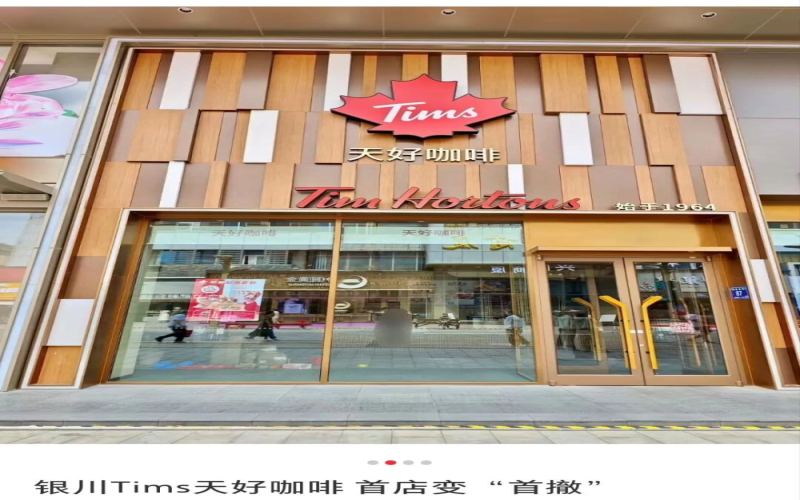
Yinchuan's first store closed before operating for a full year, as Tims China faces a wave of closures and expansion difficulties.
Tims China has always held a special place in consumers' minds—many people remember it not for its coffee, but for the bagel on its breakfast menu. However, this chain brand, known for its bagels, has recently been plagued by frequent store closure news. The first Tims store in Yinchuan, which was also the brand's 700th store in China, the Xinhua Department Store location, quietly closed after less than a year in operation, prompting regret among local consumers. Looking at the entire commercial district, this store was surrounded by 3 Luckin Coffee, 2 Starbucks, and 1 Cotti Coffee locations, highlighting the intense competitive pressure. More notably, Tims stores in Beijing, Shanghai, Nanjing, Dalian, and other cities have also successively announced closures. From the thousand-store target in its financial reports to the 885 stores counted by Narrow Door Dining Eye, Tims' expansion path seems to be facing severe challenges. This article will start with the closure of the first Yinchuan store to analyze Tims' current operating situation and market challenges. [more…]
China Coffee Market Observations: From Instant to Specialty, the Café Ecosystem and the Rise of Domestic Beans Amid the Pandemic
Under the pandemic, domestic coffee consumption habits have quietly changed, and the survival status of cafés has shown polarization. On one hand, chain brands are accelerating their expansion and staking out territory; on the other, independent shops are retaining loyal customers through distinctive flavors. From an average of 3 cups per person per year to the growth of the middle class, from the leap in the quality of Yunnan beans to meticulous experiments with processing methods, Chinese coffee is undergoing a critical period from quantitative change to qualitative change. This article sorts through market data, brand trends, and progress in producing areas, while also comparing the evolution path of coffee in Taiwan, and brings product recommendations from Front Street Coffee, presenting a complete industry picture for enthusiasts. [more…]
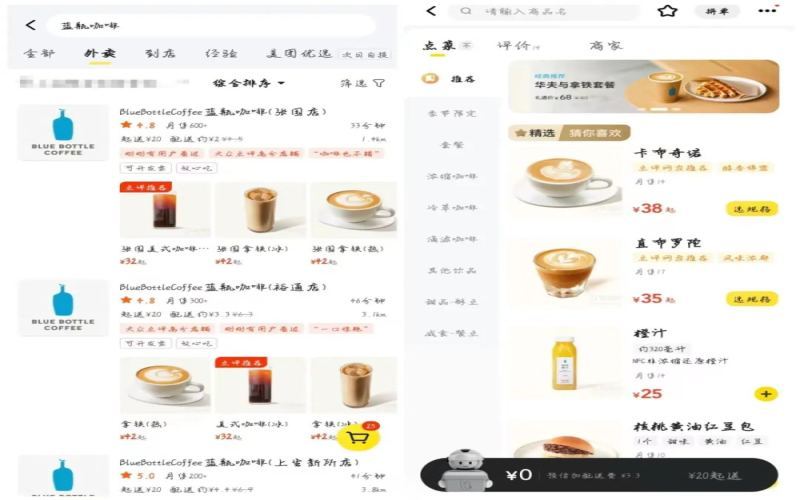
Blue Bottle Coffee Lands on Delivery Platforms: Accelerated Store Expansion and a Shift in Brand Strategy
On April 18, a new store called "blue bottle coffee" quietly appeared on a food delivery platform. After verification, this was not a counterfeit or a purchasing agent, but an official delivery channel opened by Blue Bottle Coffee. The delivery prices of drinks from Shanghai stores are consistent with those on the mini-program, and during the opening period, limited-edition fridge magnets were given away and delivery fee discounts were offered. Behind this move is a series of accelerated adjustments by Blue Bottle recently in store layout, pop-up events, and brand strategy. From rumors of store expansion in Shenzhen, Chengdu, and Xi'an, to the queues triggered by the Wuxi pop-up truck, and to blue bottle studio soon landing in Shanghai, this brand once jokingly called "unable to leave Shanghai" is trying to break its established rhythm. However, at a time when coffee consumers are increasingly picky and competition among chain brands is fierce, whether opening delivery can truly help Blue Bottle win more users' hearts still needs time to test. [more…]
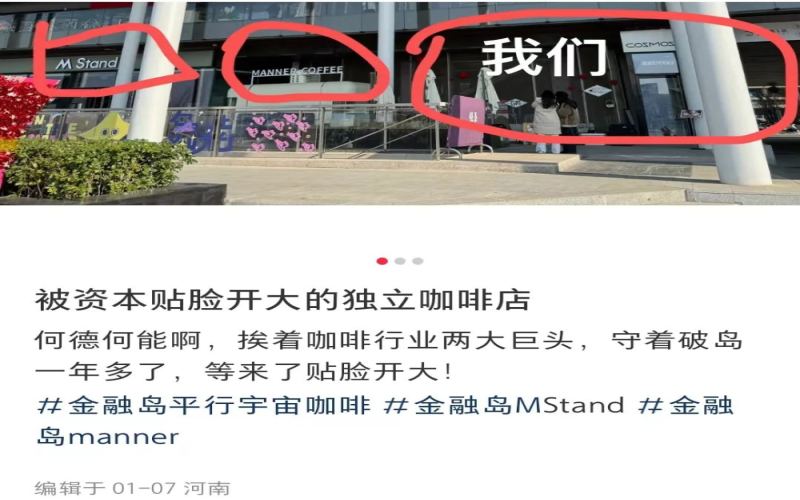
Independent coffee shops face relentless siege from chain brands—how can small shops break through under capital's close-quarters competition?
A café owner who runs an independent coffee shop recently posted about how two chain brands, M Stand and Manner, had moved in one after another right next to his store, and how a turf he had held for more than a year was suddenly "challenged head-on" by capital. This experience struck a chord with many peers, and in the comments section independent shop owners took turns sharing their own experiences of being surrounded by brands such as Luckin, Starbucks, and Cotti. Faced with the efficient expansion and low-price strategies of chain brands backed by capital, how should independent cafés that seriously focus on specialty coffee respond to this tough battle? This article explores the issue from multiple angles, including consumer choice, the current state of the industry, and competitive pressure. [more…]

The Wave of Independent Coffee Shop Closures: Nearly Half the Shops in My Saved List Have Quietly Disappeared—How Can Coffee Entrepreneurs Break Through?
In 2023, China's coffee market size reached 180.6 billion yuan, with chain brands accelerating their expansion—MANNER surpassing 10,000 stores and Luckin and Cotti going overseas—making it seem like a landscape of prosperity. However, in the saved folders on social media platforms, many coffee enthusiasts have discovered that nearly half of the independent coffee shops they once bookmarked now show "closed for business," including many high-quality small shops with thousands of positive reviews. From Beijing, Shanghai, Guangzhou, and Shenzhen to other cities, this phenomenon is spreading. The price wars of chain brands have squeezed the survival space of independent shops, while poor business strategies and a lack of differentiation have also made it difficult for many stores to stay afloat. What kind of preparation and reflection does running a coffee shop actually require? This article takes you deep into the real dilemmas facing independent coffee shops and the ways to break through. [more…]